japanese beetle life cycle in missouri
Japanese beetles belong to a large family of beetles called scarabs. It is common for this pest to be abundant in one part of a town and not others.

Missouri Beginning Farming Green June Beetle Can Damage Fruits Vegetables
The abdomen appears black-and-white striped because of white tufts of hair on the abdominal segments.
. There are more than 400 species of May beetles Phyllophaga spp in North America north of Mexico including about 86 in eastern North AmericaThe many different species are difficult to distinguish. The Japanese beetle is a serious agricultural pest. Its body consists of 13 segments 10 on the abdomen and 3 on their thorax.
Females lay eggs in spring when they emerge from the ground. When resting the larva is C-shaped. Since larvae are about ½ to 1 inch.
Life Cycle and Pest Identification. Until that time this insect was restricted to Japan where it is not a major pest. The adult beetles eat the leaves and flowers of over.
Some 250 to 300 plants are known to be attacked including. Missouri Pest Monitoring Network 060322 Flooding unlikely to affect Japanese beetle populations 061419. The grubs resume feeding on grass roots in the spring and then pupate near the soil surface.
In Connecticut this insect has been found in almost all parts of the State. Japanese Beetles Popillia japonica Newman emerge from the soil from June to August. Japanese beetles overwinter in the soil and as soil temperatures warm larvae move closer to the surface and pupate.
After mating females burrow a few inches into the soil and lay eggs 4060 during a summer. Joel Floyd USDA APHIS. As with other scarabs they are oval stout and have clubbed antennae.
Entomologists usually avoid calling them June bugs because bug in its technical sense refers to a completely different group of insects that are not beetles. Japanese Beetle Life Cycle. A set of dark strong mandibles is present on the top of its head.
It has attractive looks however with bronze wing shields and metallic green thorax. Louis MO 63110 314 577-5100 hours and admission. Adult Japanese beetles feed on and damage some field crops ornamental plants shrubs and garden.
The Japanese beetle occurs in all states east ofthe Mississippi River with sporadic infestations reported in California Iowa Missouri and Nebraska. Starting in June Japanese beetles have made an unwelcome return to Minnesota gardens. This pest was detected in New Jersey in 1916 having been introduced from Japan.
The beetles life cycle takes one year. It appears translucent and its body has brown setae and short spines all over. Life Death Cycle of The Japanese beetle Popillia japonica Newman is the most abundant and important landscape pest in Ohio.
Adult beetles are metallic green with brown wings approximately 5-7 mm wide and 8-11 mm long Figure. 4344 Shaw Blvd St. Adult Japanese beetles feed on and damage some field crops ornamental plants shrubs and garden plants.
Newsletter Articles for Japanese Beetle. Japanese beetles have a univoltine life cycle one generation per. Japanese beetles Popillia japonica were first found in the United States in 1916 after being accidentally introduced into New Jersey.
They are established throughout Missouri and are a key pest to field and specialty crops. Japanese beetles overwinter as a partially grown grub in the soil below the frost line. These gleaming copper and green beetles have been in Minnesota for decades but became a more prominent invasive pest in some parts of the state in 2011.
The egg larva and pupa life cycle stages develop underground and unless soil is removed or dug into these. Japanese beetle have one generation per year Figure 2. The host range of this insect is very large over 300 species of plants.
Entomologists usually avoid calling them June bugs because bug in its technical sense refers to a completely different group of insects that are not beetles. Of population booms they influence cycles of predator species whose numbers rise when the beetles are plentiful. Female adult Japanese beetles generally lay about 40 to.
Japanese beetle life cycle starts as an egg that hatches into a white grub then pupates and emerges as a shiny adult beetle. There are more than 400 species of May beetles Phyllophaga spp in North America north of Mexico including about 86 in eastern North AmericaThe many different species are difficult to distinguish. A female can lay up to 60 eggs in her lifetime.
15050 Faust Park Chesterfield. Life cycle Japanese beetle grubs spend the winter underground in the soil of lawns pastures and other grassy areas. Homeowners encounter Japanese beetles during the early summer months as the beetle adults fly and gather in clusters to feed upon plant leaves consuming the soft leaf tissue between the leaf veins but not eating the leafs veins.
When Japanese beetle grubs are sufficiently abundant in turf 100 or more. The Japanese beetle life cycle. The host range of this insect is very large over 300 species of plants.
Japanese beetle are distinguished from native beetles by the presence of five pairs of white tufts on their abdominal sides and two additional tufts on the abdomen tip. Adult Japanese beetles feed on a wide variety of vegetation. Although beetle numbers remain high in some regions of Missouri in general numbers emerging statewide in 2013 are reduced from numbers observed in years 2011 and 2012.
Adults begin to emerge in mid-June females lay eggs in July and August and as eggs hatch in the soil larvae feed on roots and decaying plant material. The Japanese beetle is not a major pest in its native country where climate natural diseases and native predators. The Mississippi River with sporadic infestations reported in California Iowa Missouri and Nebraska.
The grub is a creamy white with a yellowish-brown head. Although the exact cause for reduced Japanese beetle adult numbers remains unknown the drought of 2012 may be a factor. Is necessary for the completion of the entire life cycle.

Adult Green June Beetles Extension Entomology

Effective Management Remains Elusive For Beetle That Eats Almost Anything
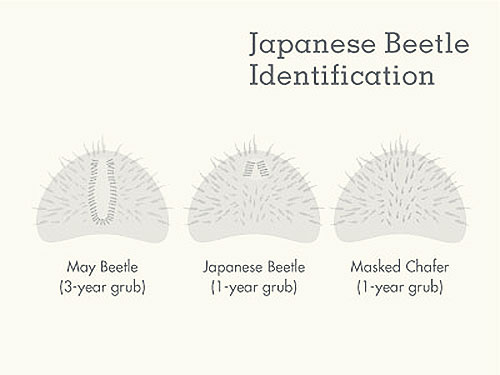
Japanese Beetle Identification Scouting Integrated Pest Managment University Of Missouri
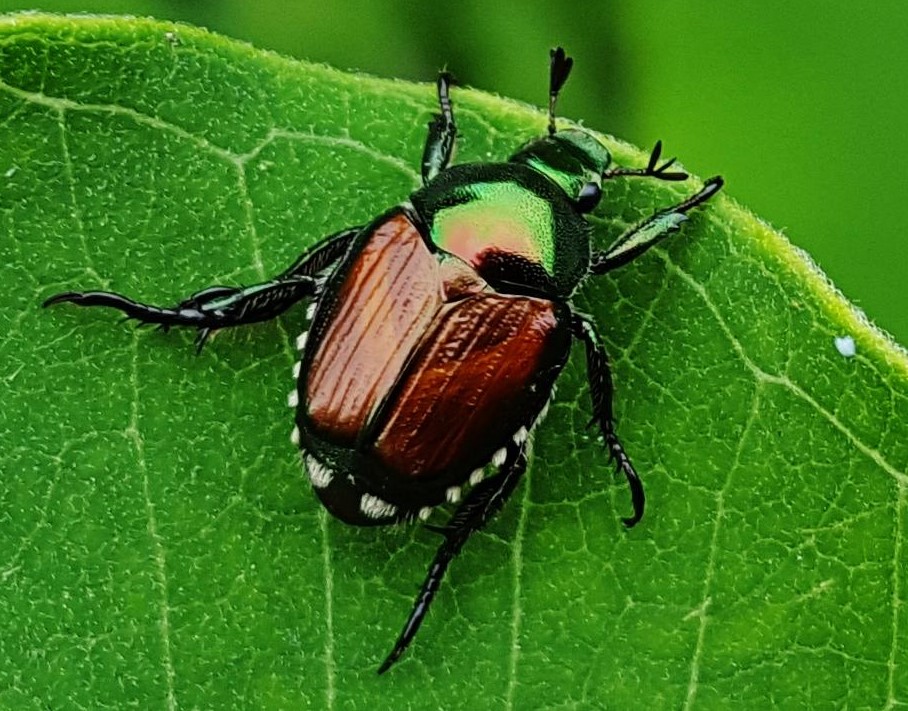
417 Pest Watch Japanese Beetle All About Trees
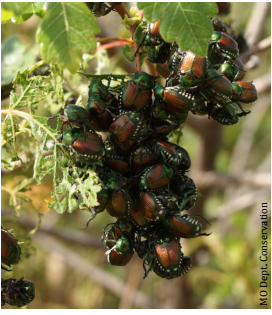
All About Trees Springfield Mo Tree Alert Japanese Beetles

Pdf Biology And Management Of Japanese Beetle Coleoptera Scarabaeidae In Corn And Soybean
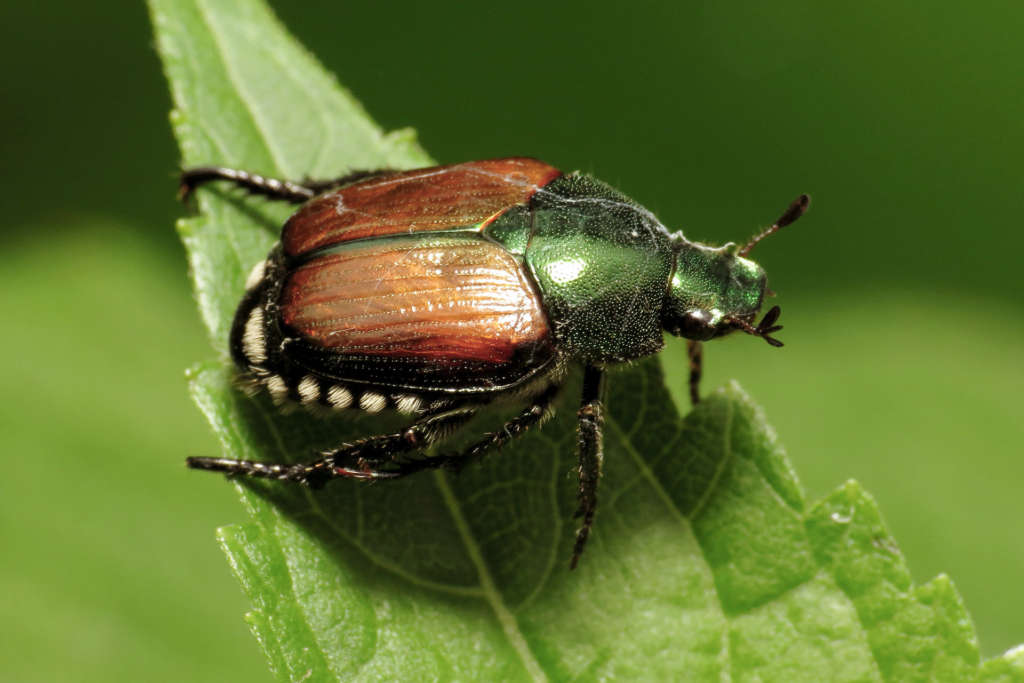
Beetles Hometown Pest Solutions

Japanese Beetle Mdc Teacher Portal
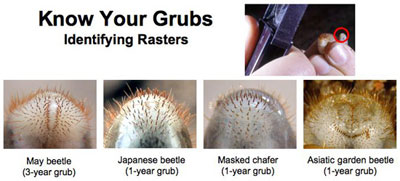
White Grubs And Other Lawn Insects Missouri Environment And Garden News Article Integrated Pest Management University Of Missouri

Japanese Beetle Mdc Teacher Portal
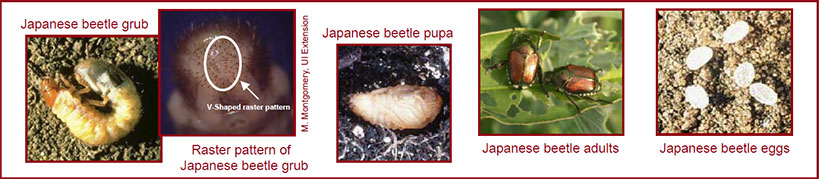
Extension Outreach Crop Sciences Department College Of Aces University Of Illinois

Japanese Beetle Mdc Teacher Portal

Japanese Beetle
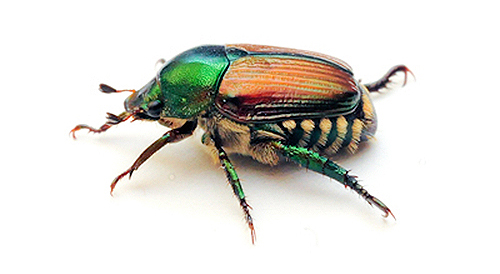
Japanese Beetle Identification Scouting Integrated Pest Managment University Of Missouri

Japanese Beetle Ohioline
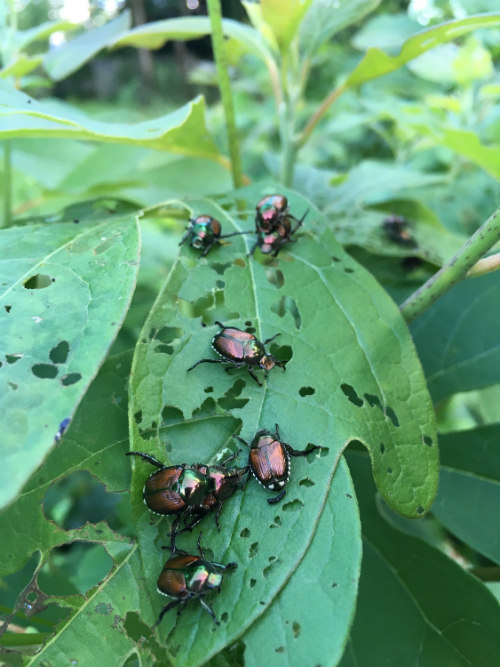
Japanese Beetle Control Hendrickson Tree Care Kansas City Mo

Usda Aphis Japanese Beetle
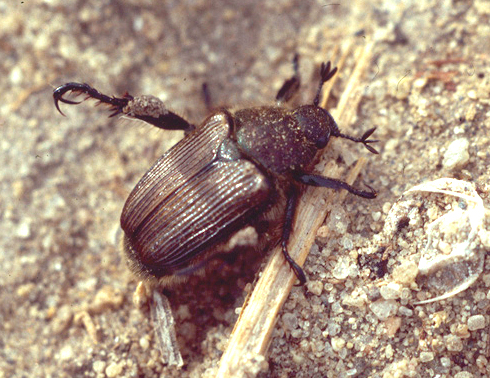
Japanese Beetle Identification Scouting Integrated Pest Managment University Of Missouri
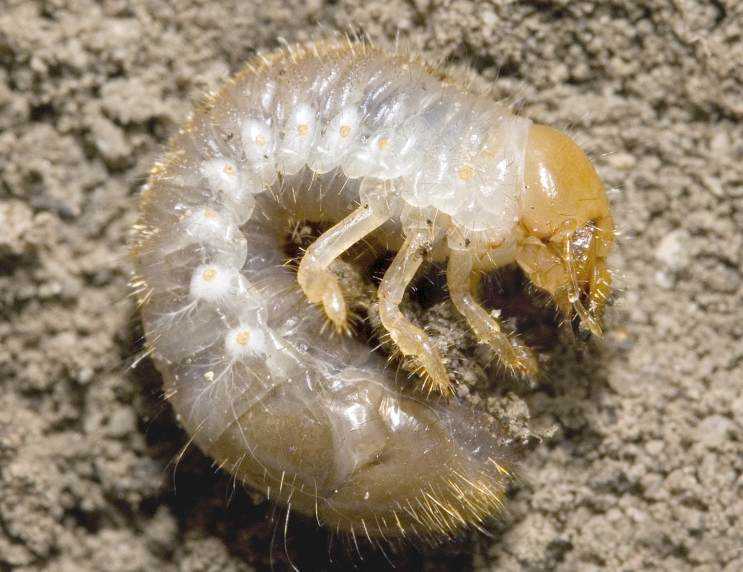
Japanese Beetle Identification Scouting Integrated Pest Managment University Of Missouri